FRESH HARVEST,
In Season
Medicinal and culinary herbs are available at market during the growing season. We’ve included some prep tips below. If you’re interested in learning more, check out the CSA link to explore our herbal education program.
-
![]()
ELECAMPANE
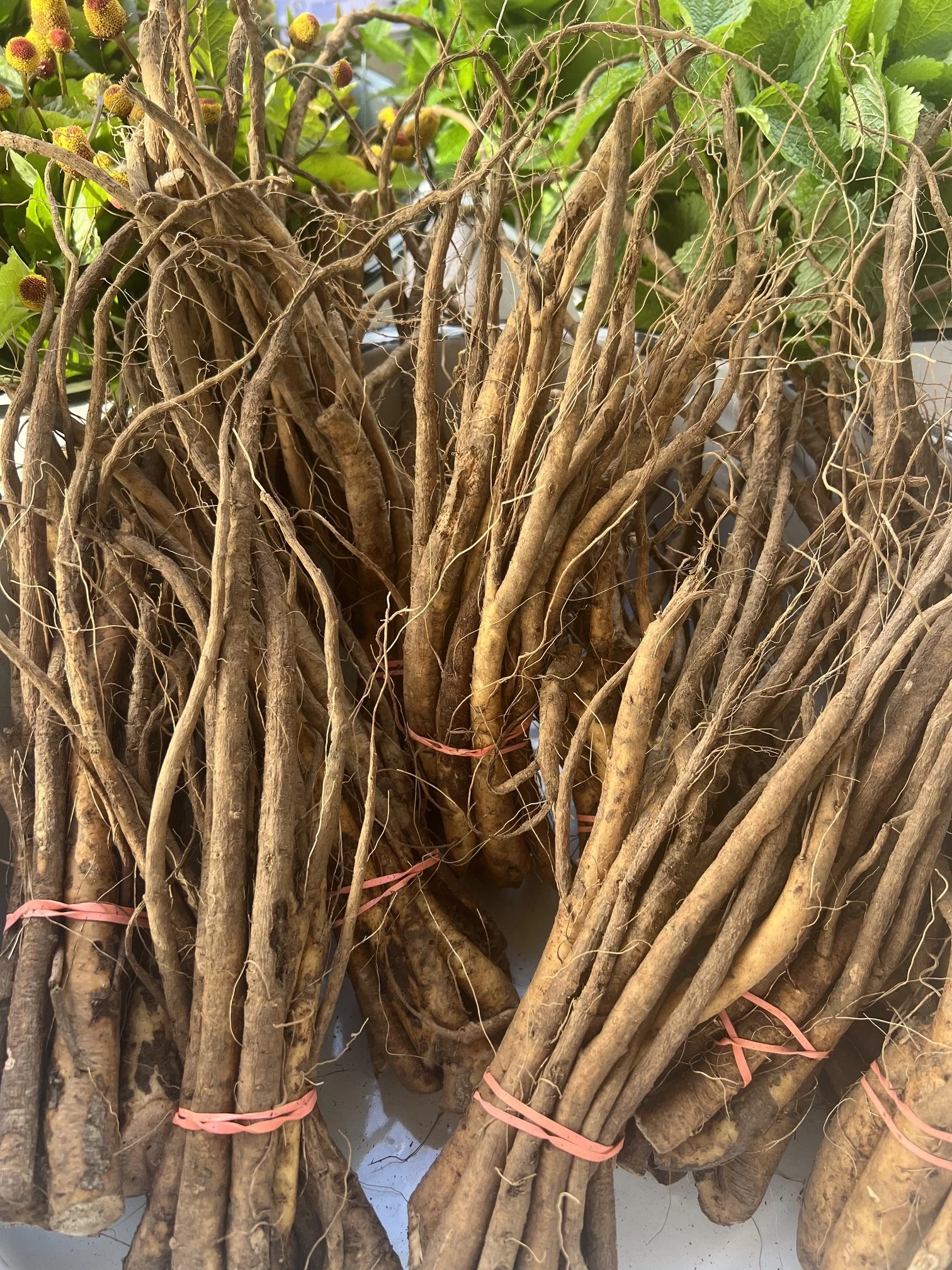
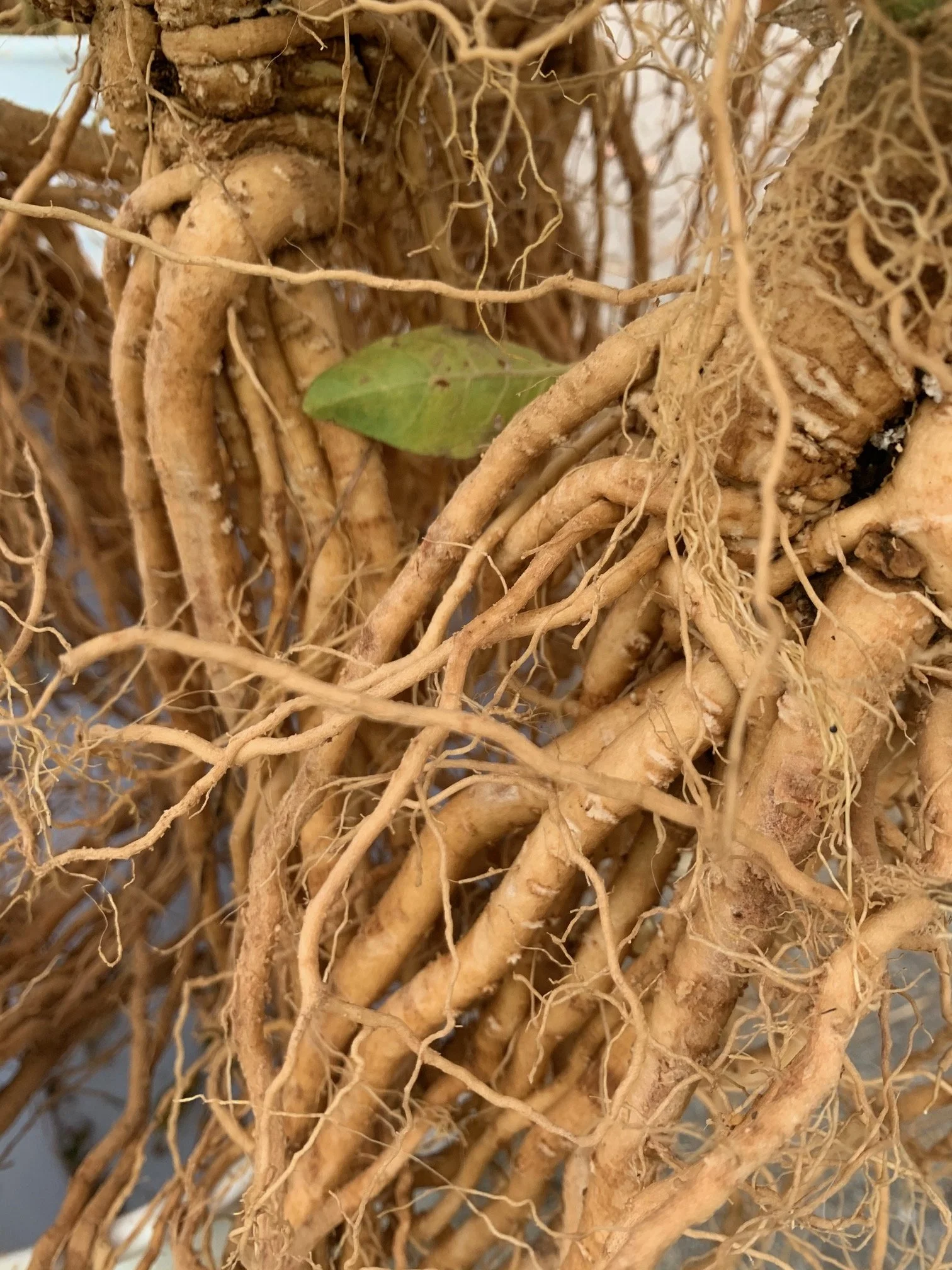
Elecampane root is grown in the field for two years before we harvest in the fall. Fresh roots are only available during this time! Get yourself a one year supply, rinse and pat dry; then cut into 1 inch pieces and place in an air tight container in the freezer. They will keep for up to a year. Take out a few pieces at a time to infuse in honey or vinegar; or a combination of both to make an oxymel.
Here's a simple recipe using our Vitality Vinegar:1/4 cup of 1" elecampane root
4 ounces Vitality Vinegar
4 ounces honey
Using the ratio above, put the Elecampane and vinegar in a blender or food processor to break down the root into smaller bits. Add the honey and pulse to mix together. Put in a small pot and gently warm on the stove for about an hour, it should be at "soup temperature" where it would not burn you (or the honey). Remove from heat and let sit overnight. Strain and store the syrup in the refrigerator. Add to hot water to make a tea or take by the spoonful for respiratory and immune support. Save the strained root mash, this can be simmered in water to make tea as well.
-
![]()
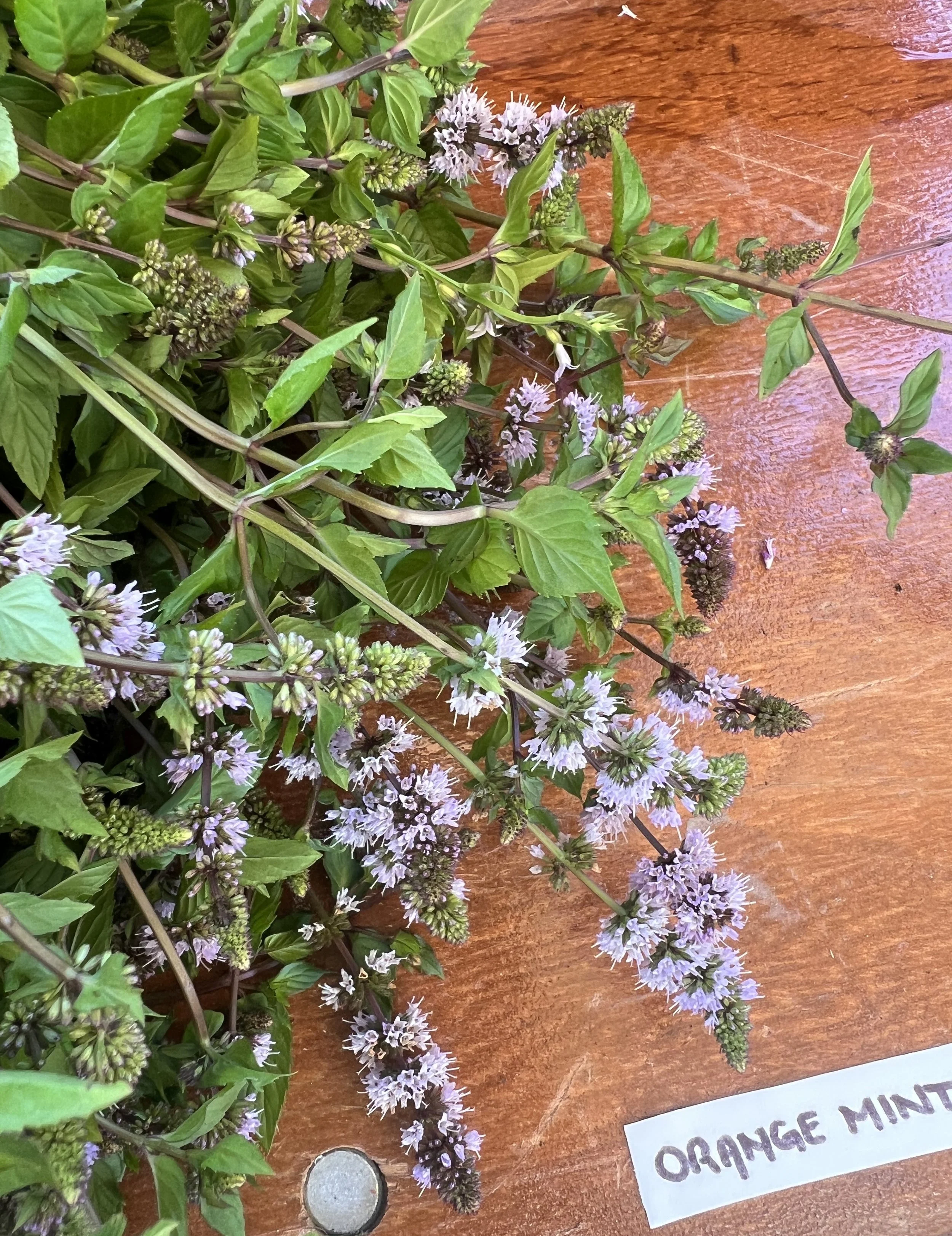
ORANGE MINT
-
![]()
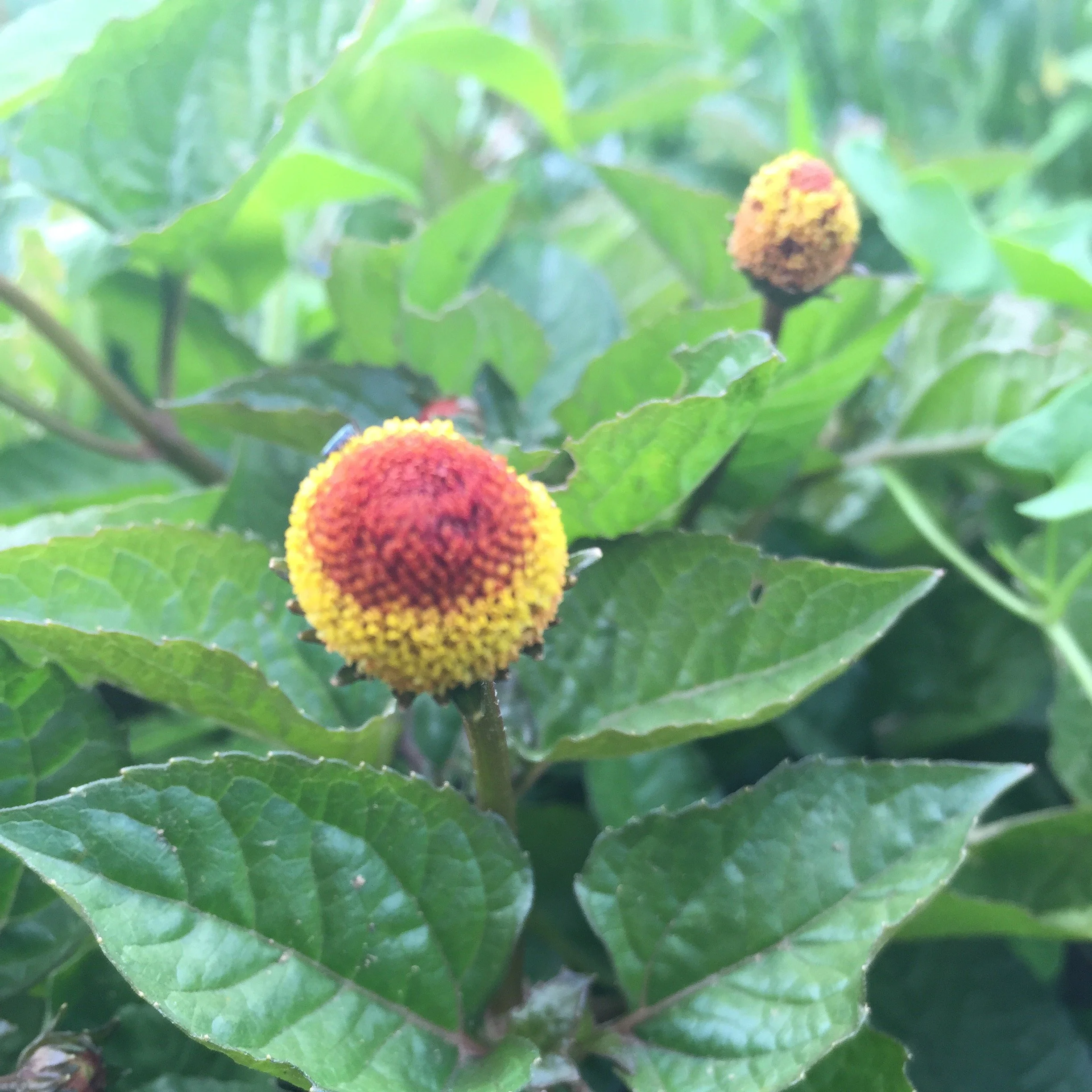
SPILANTHES
-
![]()
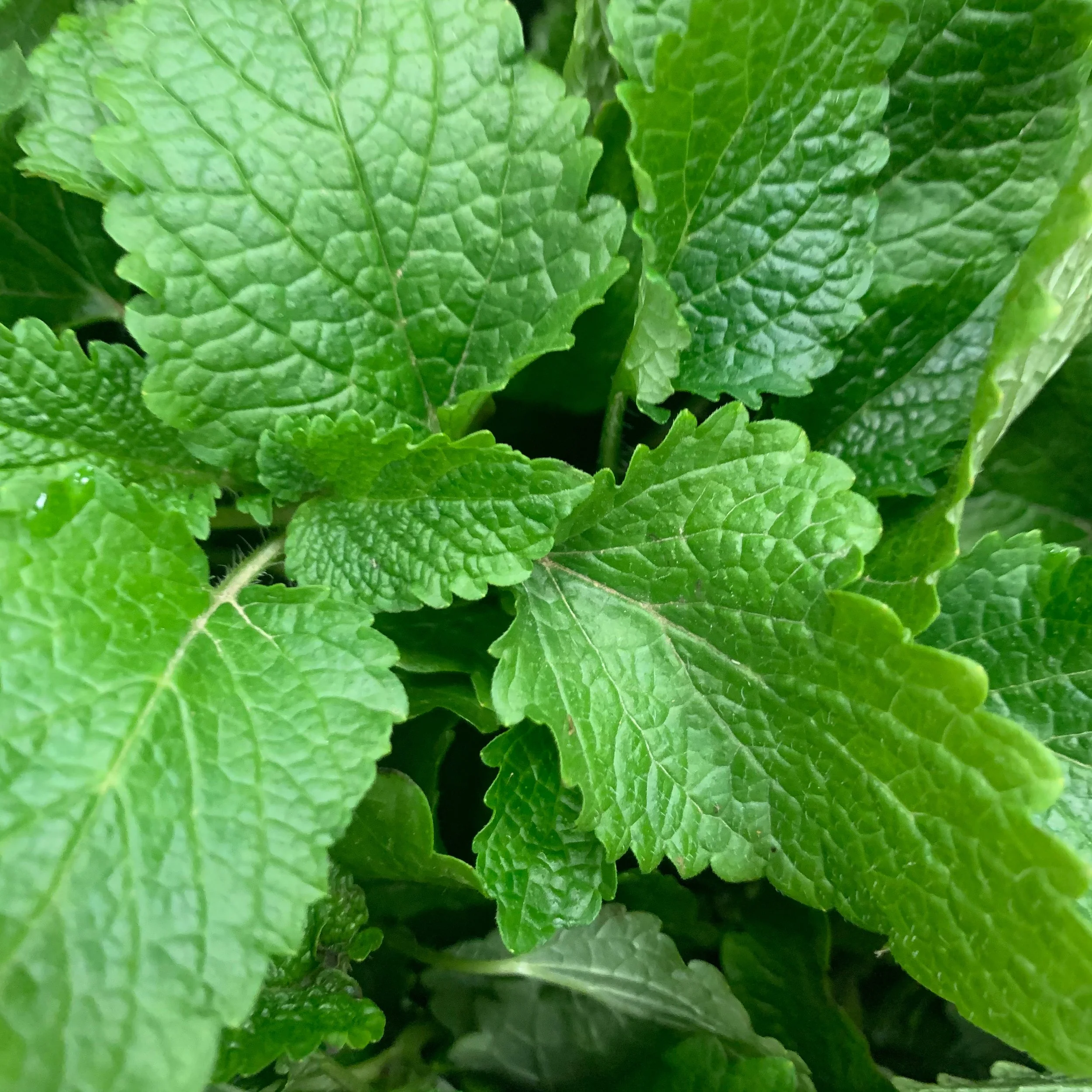
LEMON BALM
-
![]()
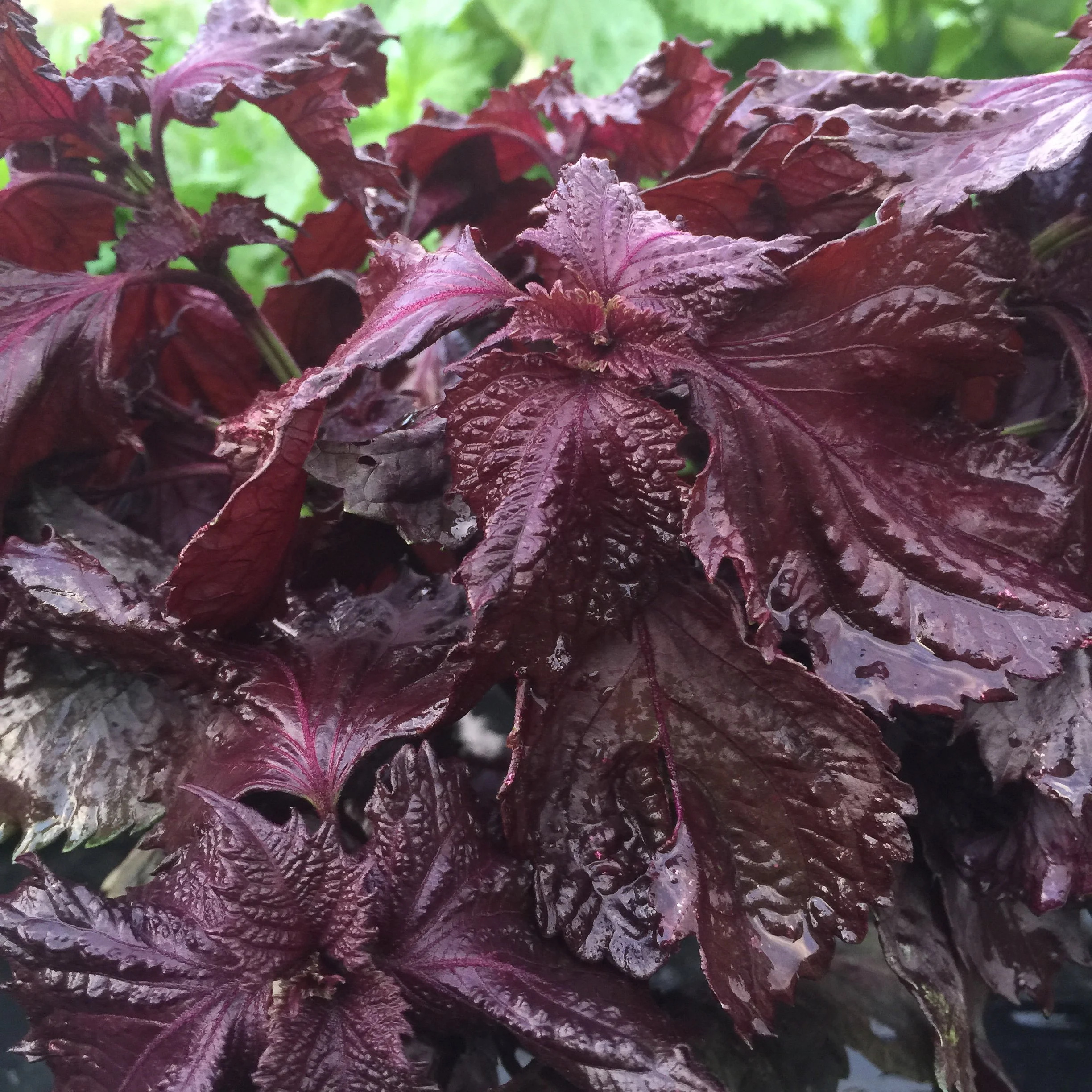
RED SHISO
-
![]()
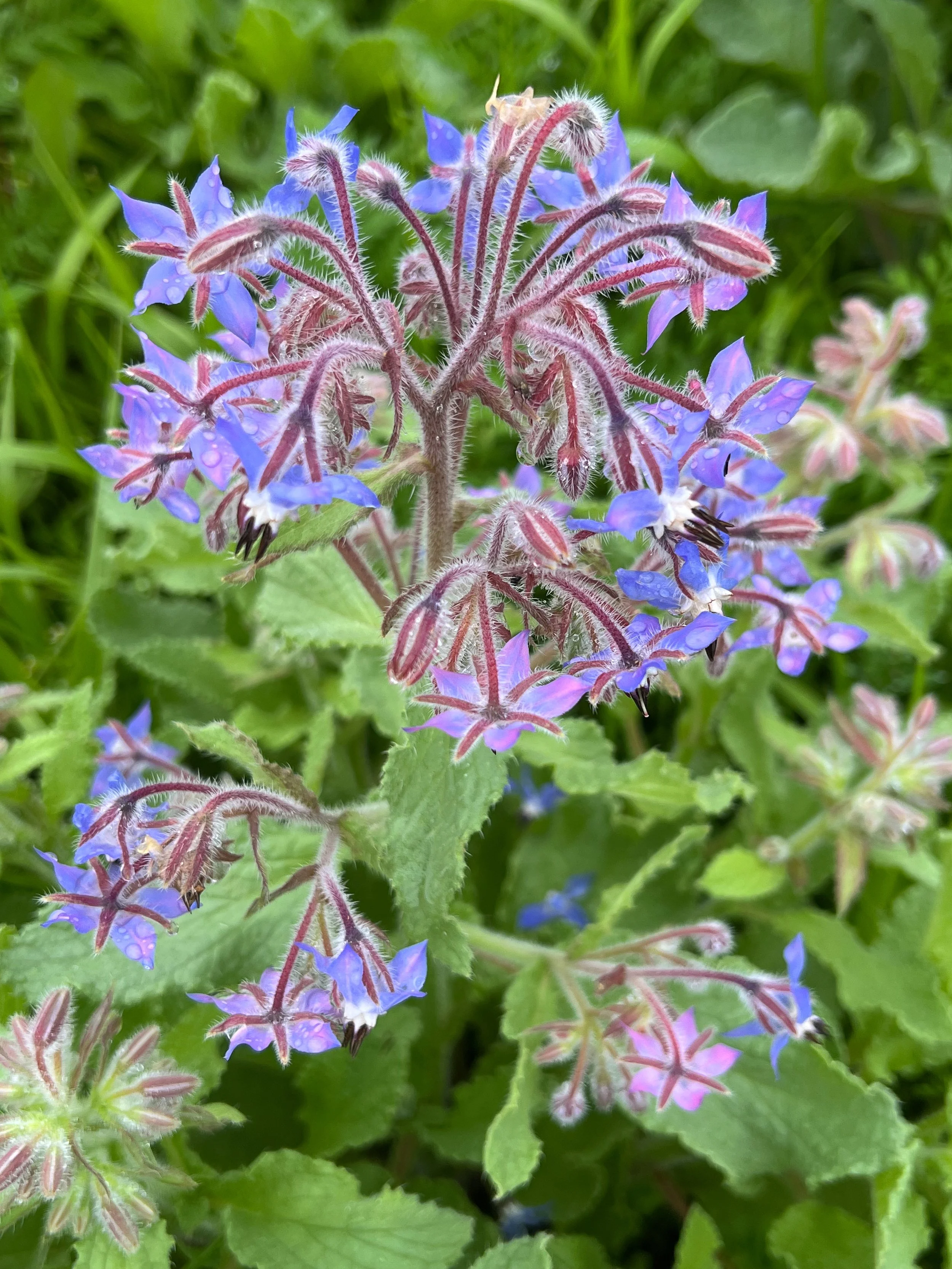
BORAGE
-
![]()
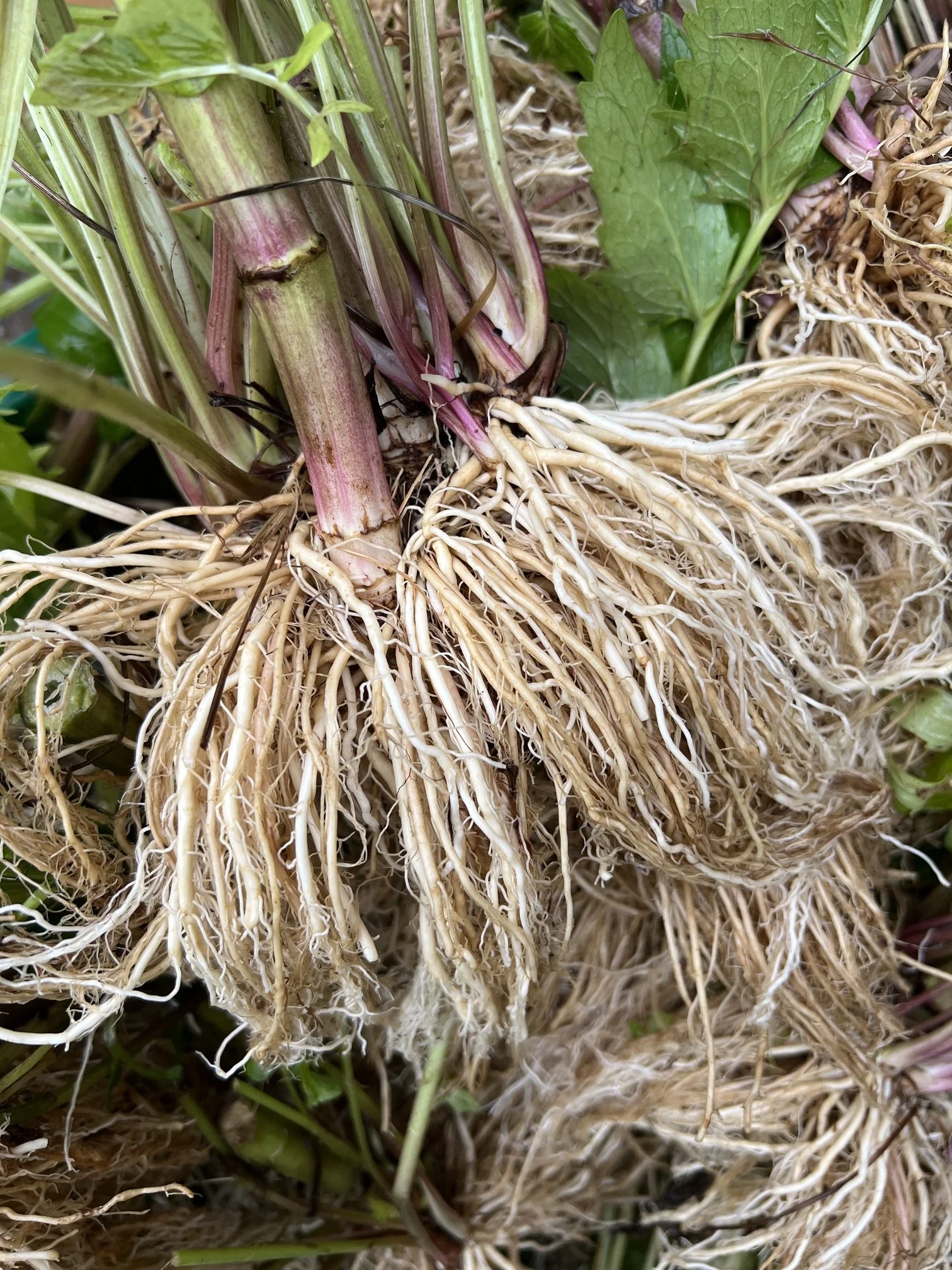
VALERIAN
-
![]()
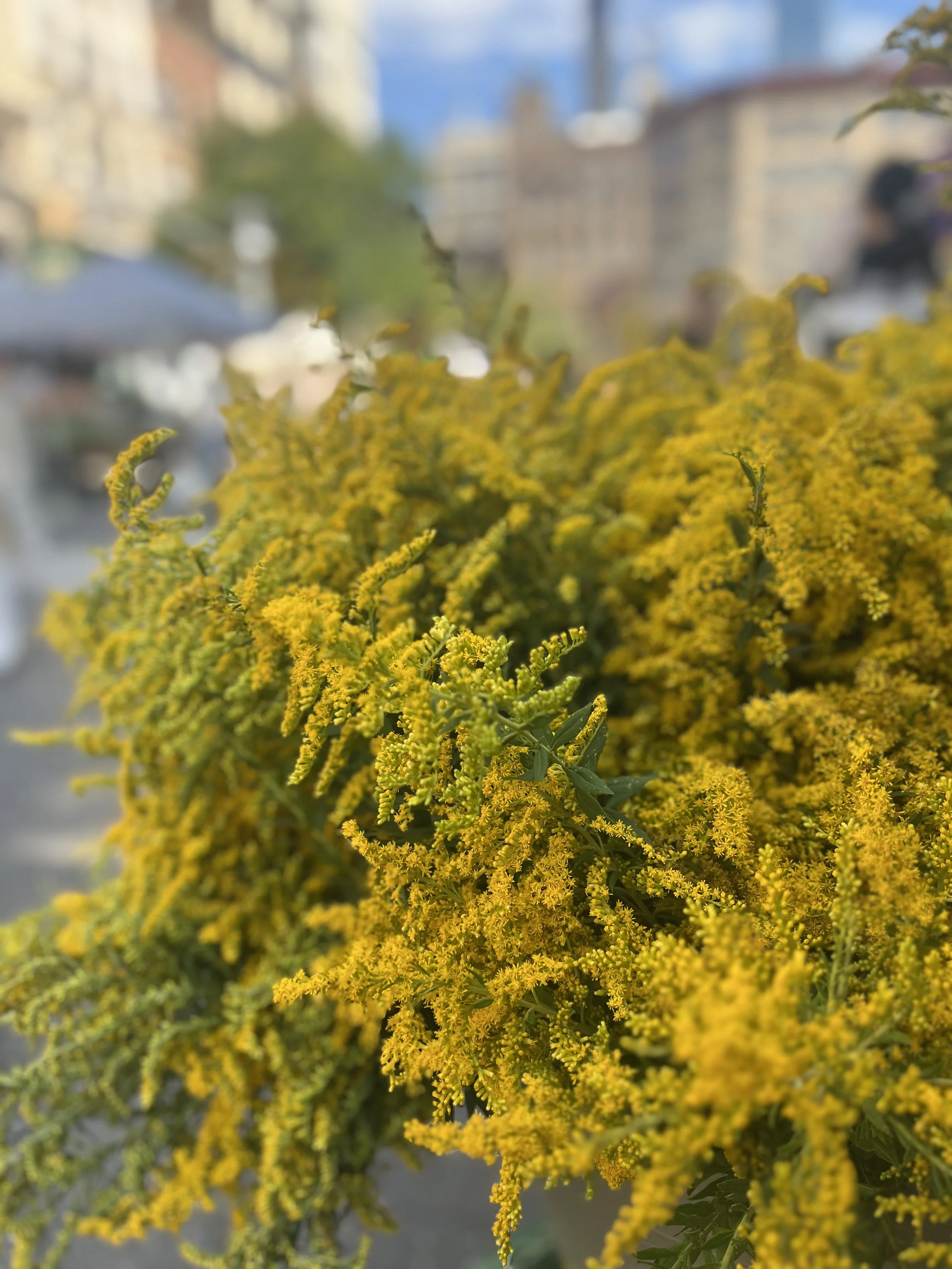
GOLDENROD
A sign of summer’s end, goldenrod’s saturated hue brightens a room as the days become shorter. The flowers are rich in flavonoids and can be warmed in milk or made with rice, as well as dried for tea. They are also used as a dye plant for textiles. The leaves are bitter and peppery and would be useful as a tincture or vinegar extract. I generally would use the flower in a more culinary application, and reserve the leaves for medicinals.
The aerial parts (upper 6-12 inches) of leaves and flower are used to support the urinary tract and kidneys.
To make a tincture using the folk method:
Fill a jar with fresh leaves and flowers
Cover with vodka, brandy, or wine
Let sit for 2 weeks, shake daily
Strain off the liquid by pressing out the herb (cheese cloth is useful, or use the back of a spoon to push out the liquid through a strainer). Reserve the liquid (tincture), discard the spent herb.
Store tincture in a dark jar
Take 1 ml (15 drops), 1-2 times a day.
-
![]()
ASHWAGANDHA
Harvested once a year in the fall, the fresh roots remain pliable for only a few days and will quickly dry out. They have very little moisture and if kept in the refrigerator, are likely to mold. The best plan is to let the root dry out, sitting on your counter away from direct sunlight. It will look nice in a vase, and florists do use the root in arrangements.
Whether dried out or not, snip the root into small pieces with heavy scissors or pruners, allow to fully dry before storing away in a dark container. The dried root will remain potent for over a year and can be boiled for tea, extracted with vinegar, or tinctured with vodka.
Dried whole roots are available at market year round.
-
![]()
ANISE HYSSOP